


As a seasoned supplier of Roll Stock Film Packaging, I've witnessed firsthand the transformative power of this packaging solution across various industries. Roll stock film packaging offers unparalleled flexibility, efficiency, and cost - effectiveness, making it a top choice for businesses looking to optimize their packaging processes. One of the most critical aspects of roll stock film packaging is its shrink properties, which can significantly impact the final appearance, protection, and functionality of the packaged product. In this blog, we'll delve into the shrink properties of roll stock film packaging, exploring how they work, why they matter, and how they can benefit your business.
Understanding Shrink Properties
Shrink properties refer to the ability of a film to contract or shrink when exposed to heat. This is typically achieved through a process called heat shrinking, where the film is heated to a specific temperature, causing it to shrink tightly around the product. The degree of shrinkage, also known as the shrink ratio, can vary depending on the type of film, the heating method, and the specific application.
There are two main types of shrink properties: transverse shrinkage and longitudinal shrinkage. Transverse shrinkage occurs across the width of the film, while longitudinal shrinkage happens along the length of the film. Different applications may require different shrink ratios in each direction. For example, products with irregular shapes may need a higher transverse shrinkage to ensure a snug fit, while products that are long and thin may benefit from a higher longitudinal shrinkage.
Factors Affecting Shrink Properties
Several factors can influence the shrink properties of roll stock film packaging. The first is the type of polymer used in the film. Common polymers for shrink films include polyethylene (PE), polypropylene (PP), and polyvinyl chloride (PVC). Each polymer has its own unique shrink characteristics. For instance, PE shrink films are known for their high flexibility and good impact resistance, while PP shrink films offer excellent clarity and stiffness.
The manufacturing process also plays a crucial role. Films can be produced through processes such as blown film extrusion or cast film extrusion. Blown film extrusion typically results in a more balanced shrinkage in both the transverse and longitudinal directions, while cast film extrusion may produce films with more directional shrinkage.
The thickness of the film is another important factor. Thicker films generally have a lower shrink ratio compared to thinner films. This is because thicker films require more heat to reach the shrinking temperature and may also have more internal resistance to shrinkage.
Importance of Shrink Properties in Packaging
The shrink properties of roll stock film packaging are of utmost importance for several reasons. Firstly, they provide a tight and secure fit around the product. This not only enhances the product's appearance but also protects it from dust, moisture, and physical damage during transportation and storage. A well - shrunk film can prevent the product from shifting inside the package, reducing the risk of breakage.
Secondly, shrink properties can improve the shelf appeal of the product. A neatly shrunk package gives a professional and high - quality look, which can attract consumers. The clarity of the shrink film also allows the product to be clearly visible, which is especially important for products where the appearance is a key selling point.
In addition, shrink properties can contribute to cost savings. By using a film with the right shrink ratio, you can minimize the amount of film used per package. This reduces material costs and also has environmental benefits by reducing waste.

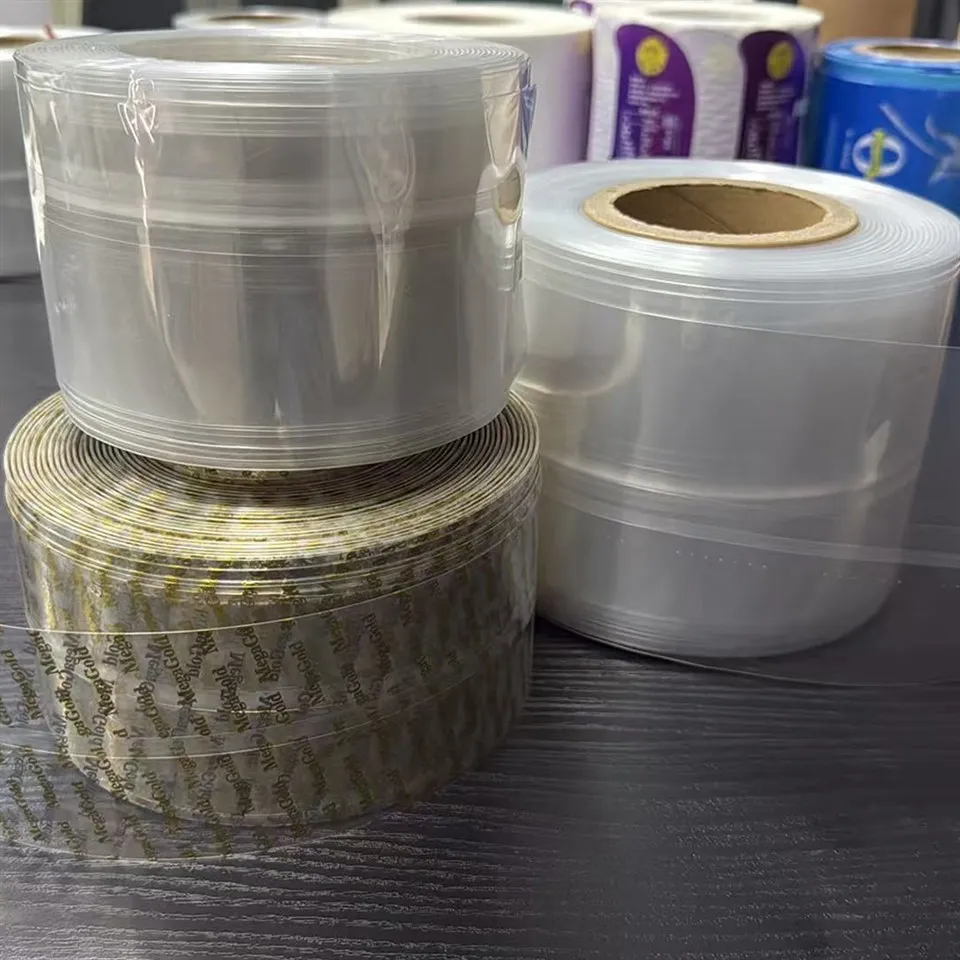
Applications of Roll Stock Film Packaging with Shrink Properties
Roll stock film packaging with shrink properties has a wide range of applications. In the food industry, it is commonly used for packaging meat, poultry, cheese, and other perishable products. The tight shrink fit helps to preserve the freshness of the food by creating a barrier against oxygen and moisture. Roll Stock Film Packaging can also be used for packaging ready - to - eat meals, providing a convenient and hygienic solution.
In the consumer goods industry, shrink - wrapped roll stock film is used for packaging items such as electronics, toys, and household products. The shrink properties ensure that the product is well - protected during shipping and handling, and the clear film allows consumers to see the product before purchasing.
The pharmaceutical industry also benefits from the shrink properties of roll stock film packaging. It can be used for packaging medications, medical devices, and other healthcare products. The tight seal provided by the shrink film helps to maintain the integrity of the product and prevent contamination.
Flexible Packaging Rollstock and Shrink Properties
Flexible packaging rollstock is a popular choice for many businesses due to its versatility and cost - effectiveness. When it comes to shrink properties, flexible packaging rollstock offers several advantages. It can be easily customized to meet the specific shrink requirements of different products. Whether you need a high shrink ratio for a product with a complex shape or a low shrink ratio for a simple - shaped item, flexible packaging rollstock can be tailored to your needs.
The flexibility of the film also allows it to conform to the contours of the product, providing a more secure and aesthetically pleasing package. Additionally, flexible packaging rollstock can be printed with high - quality graphics, which further enhances the product's brand image.
Lidding Rollstock and Shrink Properties
Lidding rollstock is commonly used for packaging containers such as trays, cups, and jars. The shrink properties of lidding rollstock are crucial for creating a tight seal that prevents leakage and contamination. A well - shrunk lid adheres firmly to the container, ensuring that the product inside remains fresh and protected.
Lidding rollstock can also be designed to have different levels of shrinkage depending on the application. For example, in some cases, a high shrinkage is required to create a hermetic seal, while in other cases, a lower shrinkage may be sufficient to provide a secure closure.
Selecting the Right Roll Stock Film Packaging with Shrink Properties
When selecting roll stock film packaging with the right shrink properties, it's important to consider several factors. First, understand the specific requirements of your product. Consider the shape, size, and weight of the product, as well as its sensitivity to heat and moisture.
Next, work with a reputable supplier who can provide expert advice on the best film for your application. A good supplier will have a wide range of films with different shrink properties and can help you choose the one that meets your needs in terms of performance, cost, and environmental impact.
It's also important to test the film on your product before making a large - scale purchase. This will allow you to evaluate the shrink properties and ensure that the film provides a satisfactory fit and appearance.
Contact Us for Your Roll Stock Film Packaging Needs
If you're looking for high - quality roll stock film packaging with excellent shrink properties, we're here to help. Our team of experts has extensive experience in the packaging industry and can provide you with customized solutions that meet your specific requirements. Whether you're in the food, consumer goods, pharmaceutical, or any other industry, we have the right film for you.
We understand the importance of cost - effectiveness, quality, and sustainability in packaging. That's why we offer a wide range of films that are not only efficient but also environmentally friendly. Contact us today to discuss your roll stock film packaging needs and start a partnership that will take your packaging to the next level.
References
- "Packaging Materials and Processes" by John A. Robertson
- "Flexible Packaging Technology" by Wilmer A. Jenkins and James P. Harrington
- Industry reports from leading packaging research firms.
