


Accurately cutting rollstock films is a crucial process in various industries, especially for those involved in packaging. As a rollstock films supplier, I understand the significance of precision cutting in ensuring the quality and efficiency of the final product. In this blog post, I will share some valuable insights and practical tips on how to cut rollstock films accurately.
Understanding Rollstock Films
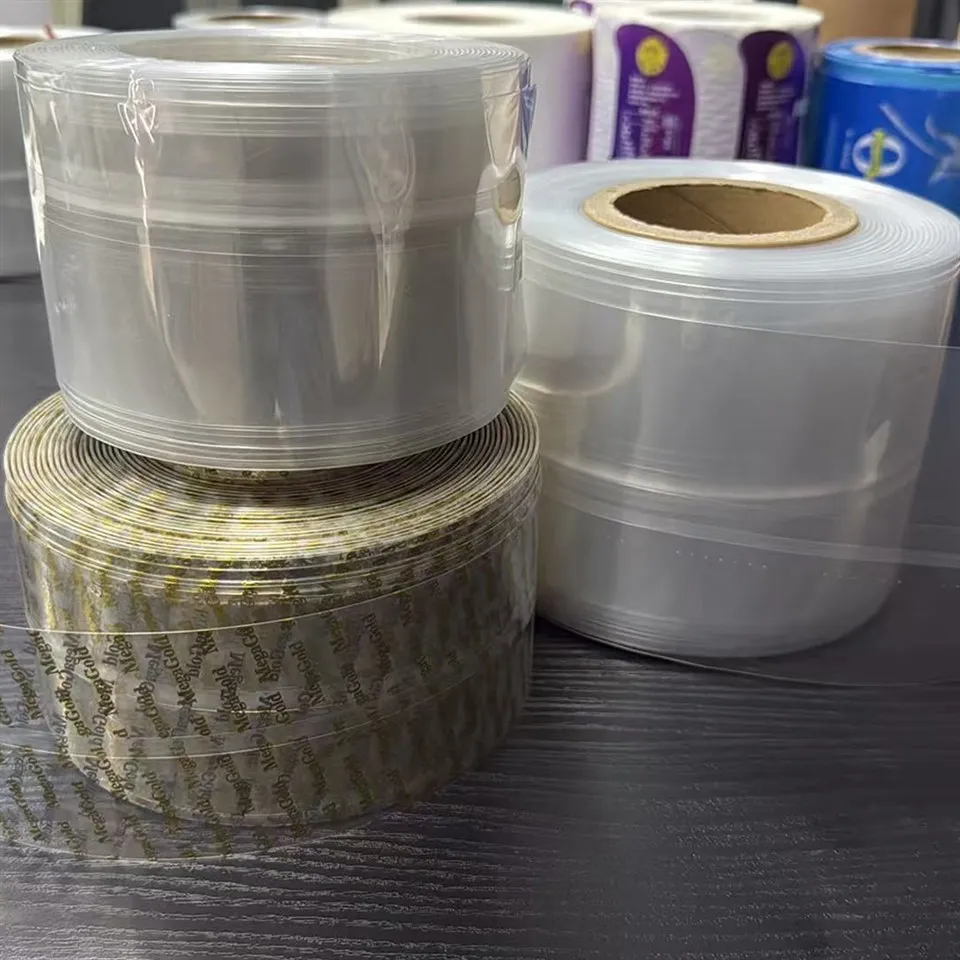
Before delving into the cutting process, it's essential to have a clear understanding of rollstock films. Rollstock films are continuous sheets of flexible packaging material wound onto a roll. They come in various types, including Lidding Rollstock, Roll Stock Film Packaging, and Flexible Packaging Rollstock. These films are widely used in the food, pharmaceutical, and consumer goods industries for packaging products.
The properties of rollstock films can vary significantly depending on their composition and intended use. Some films are designed to be heat-sealable, while others offer barrier properties to protect the contents from moisture, oxygen, and light. Understanding the specific characteristics of the film you are working with is crucial for achieving accurate cuts.

Factors Affecting Cutting Accuracy
Several factors can influence the accuracy of cutting rollstock films. These include the type of film, the cutting equipment, the cutting speed, and the operator's skill level.
- Film Type: Different types of rollstock films have different physical properties, such as thickness, flexibility, and tensile strength. These properties can affect how the film behaves during the cutting process. For example, thicker films may require more force to cut, while more flexible films may be more prone to stretching or wrinkling.
- Cutting Equipment: The type of cutting equipment used is also crucial for achieving accurate cuts. There are several types of cutting equipment available, including rotary cutters, guillotine cutters, and laser cutters. Each type of cutter has its own advantages and disadvantages, and the choice of cutter will depend on the specific requirements of the application.
- Cutting Speed: The cutting speed can also affect the accuracy of the cuts. Cutting too quickly can result in rough edges or uneven cuts, while cutting too slowly can increase the risk of the film sticking to the cutter. Finding the optimal cutting speed for the specific film and cutter is essential for achieving accurate cuts.
- Operator Skill Level: The skill level of the operator is another important factor in achieving accurate cuts. A skilled operator will be able to adjust the cutting equipment and parameters to ensure that the cuts are precise and consistent. They will also be able to identify and address any issues that may arise during the cutting process.
Tips for Accurately Cutting Rollstock Films
Based on my experience as a rollstock films supplier, I have compiled the following tips to help you cut rollstock films accurately:
- Choose the Right Cutting Equipment: As mentioned earlier, the type of cutting equipment you choose will depend on the specific requirements of the application. Rotary cutters are ideal for high-speed cutting of thin films, while guillotine cutters are better suited for thicker films. Laser cutters offer the highest level of precision and are often used for cutting intricate shapes.
- Prepare the Film: Before cutting the film, it's important to prepare it properly. This may involve cleaning the film to remove any dirt or debris, and ensuring that it is properly tensioned. Tensioning the film helps to prevent it from wrinkling or stretching during the cutting process.
- Set the Cutting Parameters: Once you have chosen the right cutting equipment and prepared the film, it's time to set the cutting parameters. This includes the cutting speed, the cutting pressure, and the blade depth. These parameters will depend on the type of film and the cutting equipment being used. It's important to follow the manufacturer's recommendations when setting these parameters.
- Use a Guide: Using a guide can help to ensure that the cuts are straight and accurate. A guide can be a simple piece of wood or metal that is placed next to the film to provide a straight edge for the cutter to follow.
- Monitor the Cutting Process: It's important to monitor the cutting process closely to ensure that the cuts are accurate and consistent. This may involve checking the quality of the cuts periodically and making adjustments to the cutting parameters as needed.
- Maintain the Cutting Equipment: Regular maintenance of the cutting equipment is essential for ensuring its optimal performance. This includes cleaning the cutter blades, lubricating the moving parts, and replacing any worn or damaged components.
Conclusion
Accurately cutting rollstock films is a critical process that requires careful planning and attention to detail. By understanding the factors that affect cutting accuracy and following the tips outlined in this blog post, you can ensure that your rollstock films are cut precisely and efficiently. As a rollstock films supplier, I am committed to providing high-quality products and expert advice to help you achieve the best results. If you have any questions or need further assistance with cutting rollstock films, please don't hesitate to contact me. We are here to help you with your rollstock film needs and look forward to discussing how we can meet your specific requirements.
References
- Packaging Machinery Manufacturers Institute (PMMI). (2023). Packaging Machinery Handbook.
- Association for Packaging and Processing Technologies (PMMI). (2023). Flexible Packaging Trends and Innovations.
- Rollstock Films Manufacturers Association. (2023). Best Practices for Cutting Rollstock Films.
