


Hey there! As a rollstock films supplier, I often get asked if rollstock films are suitable for packaging fresh produce. Well, let's dive right into it and explore this topic in detail.
Why Fresh Produce Packaging Matters
First off, we need to understand why proper packaging for fresh produce is so important. Fresh fruits and vegetables are highly perishable. They're constantly breathing, releasing moisture, and interacting with the surrounding environment. The right packaging can slow down the deterioration process, keep the produce fresh for longer, and reduce food waste. It also plays a crucial role in protecting the produce from physical damage during transportation and storage.
What Are Rollstock Films?
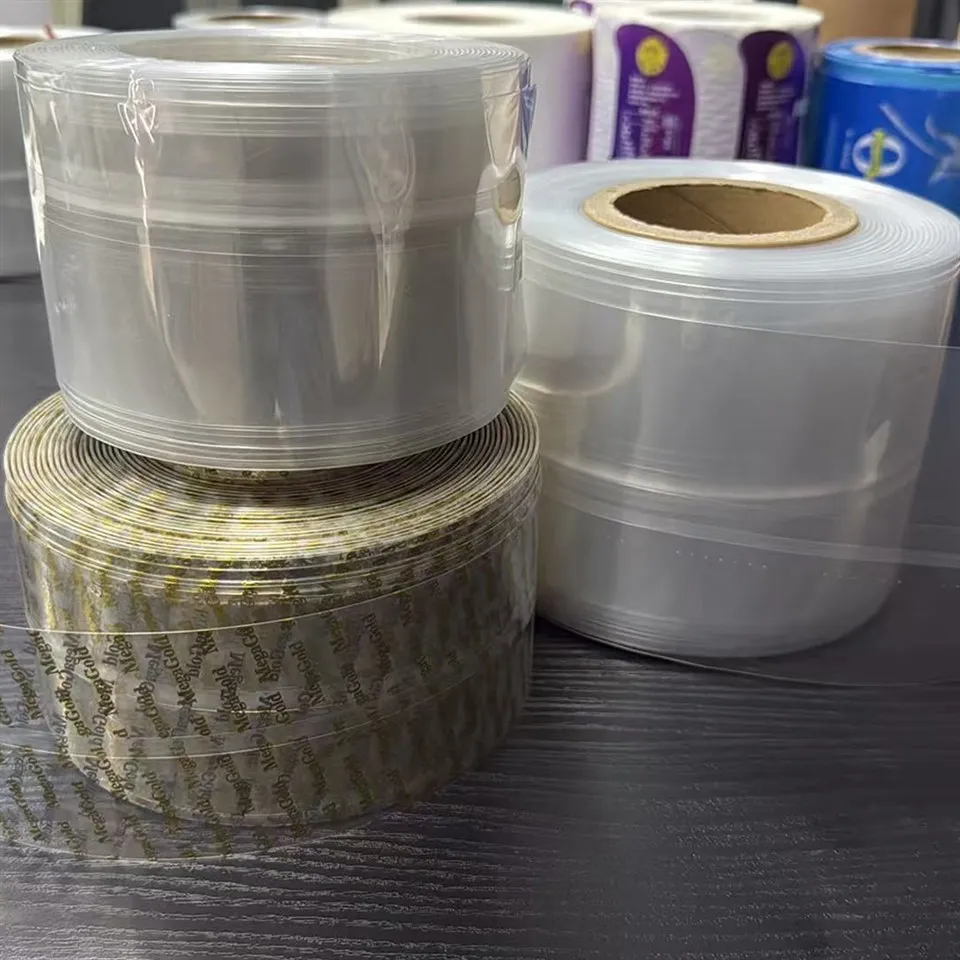
Rollstock films are basically large rolls of flexible packaging materials. They come in various types, thicknesses, and compositions, each designed for specific packaging needs. These films can be used in different packaging machines to create a wide range of packages, from simple pouches to more complex trays with lids.
There are two main types of rollstock films that are commonly used for fresh produce packaging: Lidding Rollstock and Flexible Packaging Rollstock. Lidding rollstock is typically used to seal trays of fresh produce, while flexible packaging rollstock can be used to create stand-up pouches, pillow bags, and other flexible packages.
Advantages of Using Rollstock Films for Fresh Produce Packaging
- Customizability
One of the biggest advantages of rollstock films is their high level of customizability. We can tailor the films to meet the specific requirements of different types of fresh produce. For example, some fruits and vegetables need a high oxygen transmission rate (OTR) to stay fresh, while others require a low OTR. We can adjust the composition of the film to achieve the desired OTR. Additionally, we can print custom labels and designs on the films, which helps with branding and product identification. - Barrier Properties
Rollstock films can be engineered to have excellent barrier properties. They can block oxygen, moisture, light, and other contaminants, which helps to extend the shelf life of fresh produce. For instance, a film with a high moisture barrier can prevent the produce from drying out, while a film with a low oxygen barrier can slow down the oxidation process. - Cost-Effectiveness
Compared to other packaging materials, rollstock films are often more cost-effective. They are lightweight, which reduces transportation costs. They also require less storage space, which can save on warehousing costs. Moreover, the packaging process using rollstock films is usually faster and more efficient, which can lead to lower production costs. - Versatility
Rollstock films can be used with a variety of packaging machines, including form-fill-seal (FFS) machines and tray sealing machines. This makes them suitable for different packaging applications and production volumes. Whether you're a small-scale farmer or a large food processing company, rollstock films can meet your packaging needs.
Challenges of Using Rollstock Films for Fresh Produce Packaging
- Environmental Concerns
One of the main challenges of using rollstock films is their environmental impact. Most rollstock films are made from plastics, which are non-biodegradable and can take hundreds of years to decompose. This has led to growing concerns about plastic pollution and the need for more sustainable packaging solutions. However, we're constantly working on developing more eco-friendly rollstock films, such as biodegradable and compostable films. - Compatibility with Produce
Not all rollstock films are suitable for all types of fresh produce. Some films may interact with the produce in a negative way, causing discoloration, off-flavors, or other quality issues. For example, certain films may release chemicals that can affect the taste and smell of the produce. Therefore, it's important to choose the right film for each type of produce. - Sealing Quality
The sealing quality of rollstock films is crucial for maintaining the freshness of the produce. A poor seal can allow oxygen, moisture, and other contaminants to enter the package, which can lead to spoilage. Therefore, it's important to use high-quality sealing equipment and ensure that the sealing process is properly calibrated.
How to Choose the Right Rollstock Film for Fresh Produce Packaging
- Consider the Produce Type
Different types of fresh produce have different packaging requirements. For example, leafy greens need a film with a high OTR to prevent the buildup of carbon dioxide, while berries need a film with a low OTR to prevent mold growth. Therefore, it's important to choose a film that is specifically designed for the type of produce you're packaging. - Evaluate the Barrier Properties
As mentioned earlier, the barrier properties of the film are crucial for maintaining the freshness of the produce. You need to consider the oxygen, moisture, and light barrier requirements of the produce and choose a film that can provide the appropriate level of protection. - Check the Sealing Compatibility
Make sure the film is compatible with your packaging machine and the sealing method you're using. Different films may require different sealing temperatures, pressures, and times. Therefore, it's important to test the film on your packaging machine before making a large order. - Look for Sustainable Options
If environmental sustainability is important to you, look for rollstock films that are made from biodegradable or compostable materials. These films can help reduce the environmental impact of your packaging while still providing the necessary protection for the produce.
Conclusion
In conclusion, rollstock films can be a great option for packaging fresh produce. They offer many advantages, such as customizability, barrier properties, cost-effectiveness, and versatility. However, they also come with some challenges, such as environmental concerns, compatibility issues, and sealing quality. By choosing the right film and using it properly, you can ensure that your fresh produce stays fresh and appealing for longer.
If you're interested in learning more about our rollstock films or need help choosing the right film for your fresh produce packaging needs, don't hesitate to reach out. We're here to assist you with all your packaging requirements. Whether you have questions about Roll Stock Film Packaging or need a custom solution, we've got you covered. Let's start a conversation and find the best packaging solution for your business!

References
- Kader, A. A. (2002). Postharvest technology of horticultural crops. University of California, Davis.
- Robertson, G. L. (2012). Food packaging: Principles and practice. CRC Press.
- Yam, K. L., & Lee, S. Y. (2013). Introduction to food packaging. Springer Science & Business Media.
