


Do self - adhesive labels work on textured surfaces?
As a supplier of self - adhesive labels, I often get asked about the performance of our products on textured surfaces. It's a valid concern, as many real - world applications involve surfaces that are far from smooth. In this blog, I'll explore the factors that determine whether self - adhesive labels work on textured surfaces and share some insights based on our experience in the industry.
Understanding the challenges of textured surfaces
Textured surfaces present unique challenges for self - adhesive labels. Unlike smooth surfaces, where the adhesive can form a uniform bond across the entire area, textured surfaces have irregularities such as bumps, grooves, and pores. These irregularities can prevent the adhesive from making full contact with the surface, leading to issues like poor adhesion, air bubbles, and label lifting.
The type of texture also matters. For example, a fine, uniform texture like that found on some fabrics may be easier to work with compared to a rough, uneven texture like that of a brick wall. The depth and spacing of the texture can significantly affect the label's ability to adhere properly.
Factors affecting label adhesion on textured surfaces
- Adhesive type
The choice of adhesive is crucial when it comes to applying labels on textured surfaces. There are different types of adhesives available, each with its own properties. For textured surfaces, a high - tack adhesive is often recommended. High - tack adhesives have a strong initial grip and can conform better to the surface irregularities. They can penetrate into the grooves and pores of the texture, creating a more secure bond.
Some of our Self Adhesive Fabric Labels use a special high - tack adhesive that is designed to work well on fabric textures. This adhesive ensures that the label stays in place even when the fabric is washed or rubbed.
- Label material
The material of the label itself also plays a role. Flexible label materials are generally better suited for textured surfaces as they can bend and conform to the shape of the texture. For instance, vinyl labels are a popular choice for textured surfaces because they are flexible and can adapt to different shapes.
On the other hand, rigid label materials like thick paper or some plastics may not work as well on textured surfaces. They may not be able to conform to the texture, resulting in poor adhesion.
- Surface preparation
Proper surface preparation is essential for ensuring good label adhesion on textured surfaces. The surface should be clean, dry, and free of dust, grease, and other contaminants. Any dirt or debris on the surface can prevent the adhesive from making contact with the surface, reducing the bond strength.
In some cases, it may be necessary to use a primer or a surface treatment to improve the adhesion. For example, if the textured surface is porous, a primer can help seal the pores and provide a better surface for the adhesive to bond to.
- Application method
The way the label is applied can also affect its adhesion on textured surfaces. Applying the label slowly and carefully, using a squeegee or a similar tool to smooth out the label and remove air bubbles, can help improve the bond. It's important to ensure that the label is pressed firmly onto the surface, especially in the areas with texture.
Case studies and real - world examples
Let's take a look at some real - world examples to see how self - adhesive labels perform on textured surfaces.
Example 1: Self Adhesive Bottle Labels on embossed bottles
We have supplied Self Adhesive Bottle Labels for embossed glass bottles. The embossed texture on the bottles presented a challenge, but by using a high - tack adhesive and a flexible vinyl label material, we were able to achieve good adhesion. The labels were applied carefully, and the squeegee was used to ensure that the label conformed to the embossed pattern. The result was a professional - looking label that stayed in place throughout the product's shelf life.

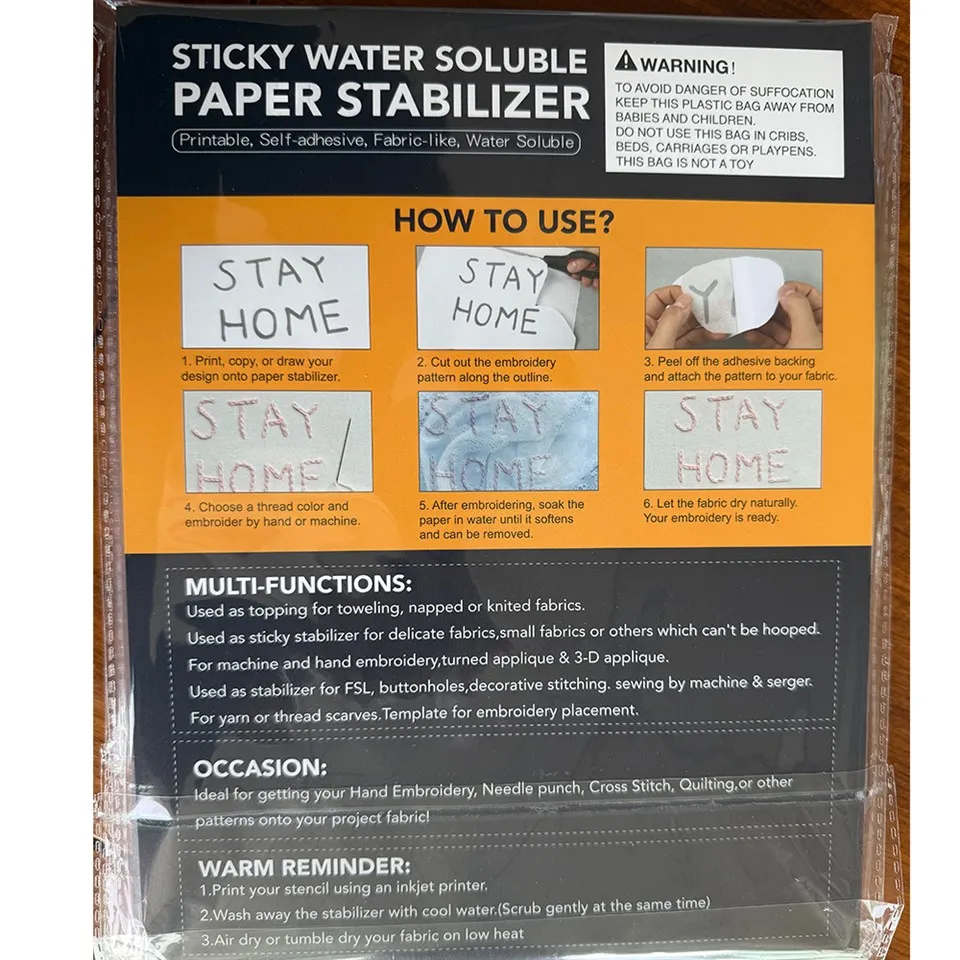
Example 2: Self Adhesive Price Labels on textured wood surfaces
In a retail setting, we provided Self Adhesive Price Labels for textured wood shelves. The wood had a natural grain texture, which made it difficult for the labels to adhere. However, after proper surface cleaning and using a label with a strong adhesive, the labels adhered well. The flexible label material was able to follow the contours of the wood grain, and the labels remained in place for a long time.
Tips for using self - adhesive labels on textured surfaces
- Test before full - scale application
Before applying the labels on a large number of textured surfaces, it's a good idea to conduct a small - scale test. This will allow you to evaluate the adhesion and make any necessary adjustments to the adhesive, label material, or application method. - Choose the right adhesive and label material
Based on the type of texture and the application requirements, select the appropriate adhesive and label material. Consult with your label supplier if you're unsure which products are best suited for your needs. - Pay attention to surface preparation
Clean and prepare the surface thoroughly before applying the labels. This will help ensure a strong bond and prevent issues like label lifting. - Use the right application tools
Tools like squeegees can be very helpful in applying labels on textured surfaces. They can help remove air bubbles and ensure that the label is pressed firmly onto the surface.
Conclusion
In conclusion, self - adhesive labels can work on textured surfaces, but it requires careful consideration of several factors. The choice of adhesive, label material, surface preparation, and application method all play important roles in determining the success of the label application.
If you're in need of self - adhesive labels for textured surfaces, we're here to help. Our team of experts can provide you with the right advice and products to meet your specific requirements. Whether you need Self Adhesive Fabric Labels, Self Adhesive Price Labels, or Self Adhesive Bottle Labels, we have a wide range of options available. Contact us to discuss your project and start a procurement negotiation.
References
- "Adhesive Technology Handbook", Third Edition, edited by David Satas.
- "Labeling Technology", by David A. Decker.
